The graphic tee has been a staple of casual fashion for over five decades. From band merch in the seventies to ironic vintage tees in the nineties to the streetwear boom of the 2010s, the format keeps reinventing itself. The current chapter belongs to custom graphic tees. Searches for custom tees, made-to-order tees, and on-demand graphic apparel keep climbing, and the market keeps producing new brands that operate entirely on the custom model.
The popularity is not random. A few specific shifts in how people shop, dress, and identify themselves are driving the demand. Worth knowing the forces at work because they show where the category is headed next.
The Self-Expression Economy
Clothing has always been about identity, but the way identity gets expressed has shifted. Logo-driven luxury used to signal status. Brand allegiance used to signal subculture membership. Both still exist, but a third option has taken over for most casual wardrobes. People want clothing that says something specific about who they are, not just which brand they bought from.
Custom graphic tees serve that demand directly. A custom design carries a point of view, an inside joke, a niche reference, or a personal aesthetic. The buyer is no longer choosing from a hundred mass-produced graphics. They are picking the exact one that matches their personality, sense of humor, or current mood. That precision is what drives the popularity.
The Internet Built the Market
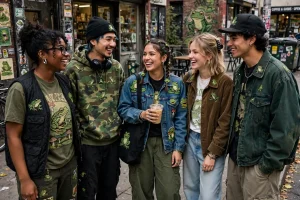
The custom tee category exploded at the same time the internet matured into a place where culture happens. Every meme, niche community, fandom, and online subculture generates demand for clothing that signals membership. The major retailers cannot move fast enough to capture those demand spikes. Custom graphic tee operations can.
A new meme goes viral. Within a week, fifty designs referencing the meme are available across print-on-demand operations. Three months later, ninety percent of those designs have faded, but a few stayed relevant and built a small audience around them. That speed mismatch between internet culture and traditional retail is the gap custom tees fill.
Quality Has Caught Up
Custom graphic tees used to come with a quality stigma. Cheap blanks, thin cotton, prints that cracked after the third wash. That reputation lingered for years even as the actual product improved.
In 2026, the quality picture has shifted. Premium custom tee operations now run heavyweight combed cotton, durable direct-to-garment prints, and construction details that match or exceed mass-market tees. The price has also stabilized at a point where buyers feel like they are getting fair value rather than paying a custom premium for inferior product.
That quality catch-up has opened the doors to a wider market. Buyers who would have stuck to traditional retail five years ago now shop custom because the product holds up.
Brands Use Custom Tees to Test & Scale
The custom model also benefits the supply side. Independent designers and small brands use custom tees as the launch pad for new lines. The model lets them test a design with zero inventory risk. If the design sells, they reorder or expand. If it does not, they retire the design without losing anything.
That risk reduction has lowered the barrier to brand creation. The number of new graphic tee brands launching every year has multiplied compared to a decade ago. More brands means more designs in the market. More designs means more buyer choice. More buyer choice drives more sales.
The Customization Factor
Some custom graphic tee operations let buyers contribute to the design themselves. Add a name, a date, a personal photo, or modify color and placement. That participation creates a different relationship with the final product. The buyer is not just choosing a shirt from a catalog. They are designing it.
That involvement matters for two reasons. First, it deepens the emotional value of the piece. People keep custom-designed shirts longer because they had a hand in making them. Second, it makes the shirts harder to find elsewhere. A buyer who customized their shirt cannot just walk into a store and grab the same one, which adds scarcity value.
Gift Culture Has Caught On
Custom graphic tees have also become a popular gift category. The price point sits comfortably in the casual gift range. The customization makes the gift feel personal without requiring deep knowledge of the recipient’s taste. A funny custom tee referencing an inside joke between two friends lands better than another candle or generic accessory.
Birthdays, group bachelor and bachelorette parties, work team gifts, holiday swaps, and reunion shirts all drive recurring demand for custom apparel. The graphic tee fits all of those categories better than most alternatives.
The Sustainability Angle
The print-on-demand custom model also produces less waste than mass-market apparel. Traditional fast fashion overproduces by design. Tons of unsold inventory ends up in landfills or shipped overseas to become someone else’s problem. Custom tees only get made when ordered, which reduces that waste.
Buyers paying attention to environmental impact have started favoring the custom model for that reason. The shift is not the biggest driver of growth, but it adds another tailwind to a category that already has multiple reasons to keep expanding.
Where the Category Is Heading
Custom graphic tees are not going anywhere. The forces driving the growth are structural, not seasonal. Internet culture keeps generating demand. Quality keeps improving. New brands keep entering. The supply chain keeps getting faster and cheaper.
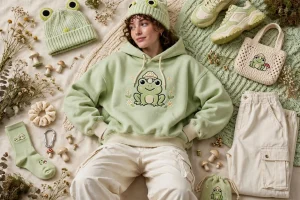
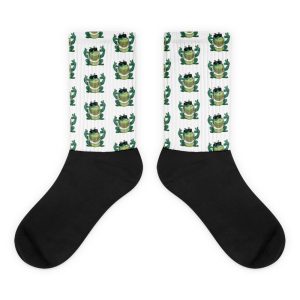
The category will keep splintering into niches. Frog aesthetic. Sarcastic typography. Anime crossovers. Hyper-specific subcultures. The buyers who used to settle for whatever mass retail offered now have access to designs that match their exact identity, and they are not going back. Custom graphic tees are popular for the same reason custom anything is popular in 2026. The market finally caught up to what people actually wanted.