The clothing industry used to run on a simple but wasteful model. Brands designed apparel, ordered massive production runs, stored everything in warehouses, and hoped enough of it sold to cover the cost of the unsold pieces. Print on demand changed that math. A design only gets printed once an order is placed. No mass production. No warehouse full of dead inventory. No clearance racks of styles that never moved. The model has been around for over a decade, but it took until the last few years to mature into a serious alternative to traditional apparel.
For anyone shopping or selling clothing online in 2026, print on demand is worth getting to know. It is now a core part of how a meaningful share of the apparel market gets made and sold.
The Short Version
Print on demand clothing means the apparel item exists as a blank piece of inventory until someone orders it with a specific design printed on it. The order triggers the print run. The print run produces that one piece. The piece ships to the buyer. No piece exists with that exact design until the buyer asks for it.
This is the opposite of how traditional apparel works. A traditional brand commits to printing thousands of shirts with a specific design before knowing if anyone wants them. If the design hits, the brand makes money. If it does not, the brand eats the cost of the unsold inventory. Print on demand removes that risk by tying production to demand.
How POD Differs From Traditional Apparel
The differences run across three areas.
Inventory
Traditional apparel relies on holding stock. Brands order large runs, warehouse the finished goods, and pull from inventory when orders come in. Print on demand holds only blanks. The decorated final product gets made after the customer pays.
Cost Structure
Traditional production has high upfront costs and low per-unit costs at volume. A brand spending fifty thousand dollars on a production run might pay three dollars per shirt at the manufacturer. Print on demand reverses that. No upfront cost, higher per-unit price. The same shirt might cost ten dollars to print on demand. The tradeoff is risk versus margin.
Speed to Market
Traditional production takes months. Design, sample, approve, mass-produce, receive inventory, list for sale. Print on demand compresses that entire cycle to days. A new design can hit the catalog and start selling within forty-eight hours of being uploaded.
Who Uses Print on Demand
The customer base has gotten broad over the last few years. A few groups in particular:
Independent Designers & Artists
The biggest beneficiaries of the model. Artists who could not afford the upfront cost of traditional production can now run their own apparel lines. They upload designs, set prices, and pocket the margin on each sale. No inventory risk. No warehousing.
Small Streetwear Brands
A growing number of streetwear labels run entirely on print on demand. The model allows for constant new drops without committing to volume. New designs launch, get tested in the market, and either get reordered or quietly retired without leaving the brand stuck with unsold stock.
Established Brands Running Side Lines
Larger brands use print on demand for limited drops, collaborations, and experimental product lines. The lower risk allows for more creative latitude. If a collaboration does not sell, the brand has not lost much. If it hits, the model scales.
Custom Apparel for Individuals & Businesses
Companies ordering branded merch for events, internal teams, or promotional campaigns. Wedding parties ordering matching shirts. Sports teams running custom uniforms. Print on demand handles small-volume orders that traditional manufacturers would not bother with.
What Print on Demand Clothing Looks Like Today
The product range has expanded well beyond just tees. The current print on demand catalog across most major providers covers:
- Tees in cotton, fabric mixes, and performance materials
- Sweatshirts and hoodies in various weights
- Long-sleeve tops, henleys, and polos
- Hats, caps, and beanies
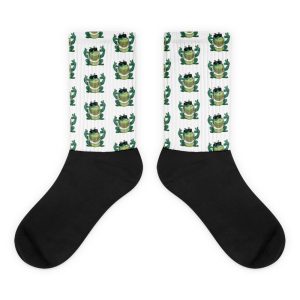
- Socks, leggings, and athletic wear
- Tote bags, backpacks, and other carry goods
- Mugs, drinkware, and home goods
The quality range has also widened. Early print on demand had a reputation for cheap blanks and worse prints. The current market has tiers. Budget options still exist for buyers who want low prices. Premium options now match or exceed traditional apparel quality, with heavyweight cotton, durable inks, and proper construction.
What to Look for in Print on Demand Clothing
A few things separate good print on demand from bad:
Print Method
Direct-to-garment printing has become the standard for most print on demand operations. High-definition DTG matches the quality of traditional screen printing for most applications. Cheaper providers still rely on heat transfer, which cracks within months.
Blank Quality
The shirt or sweatshirt itself matters as much as the print. Premium blanks use combed cotton in heavier weights with proper stitching. Budget blanks use lighter, rougher fabric that pills and falls apart faster.
Production & Shipping Speed
Modern print on demand operations turn orders around in two to five business days. Slow providers take two to three weeks, which kills the appeal for most buyers. Look for providers and brands that publish realistic timelines.
Why the Model Matters
Print on demand changes the economics of apparel in ways that benefit both buyers and small creators. Buyers get access to a wider range of designs from independent artists who could not exist in the old model. Creators get to launch brands without the upfront risk that used to gatekeep the industry. Less inventory waste means less landfill, which is a real environmental win compared to traditional fast-fashion overproduction.
The model is no longer experimental. It is mainstream. Print on demand clothing showcases a real shift in how apparel gets made, sold, and worn in 2026, and the share is only growing as the quality keeps improving.