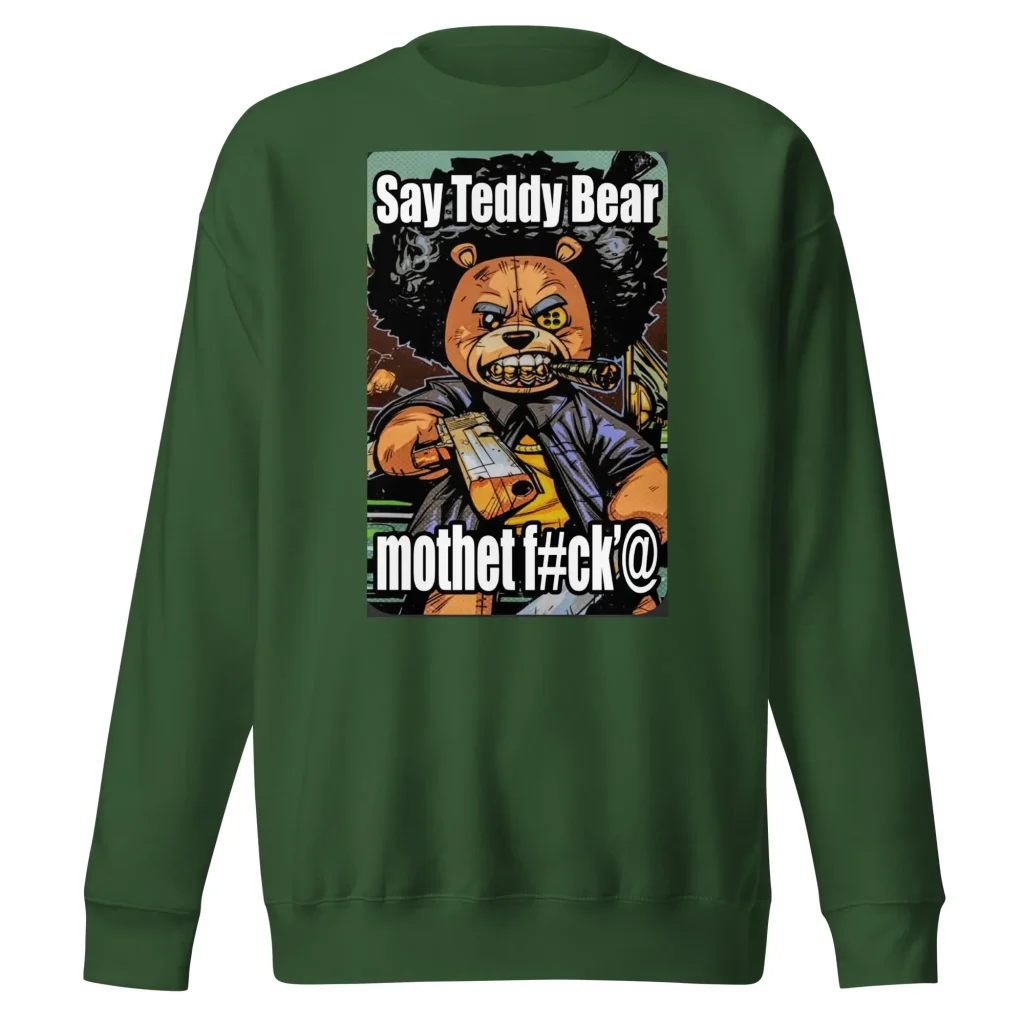
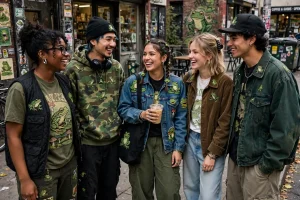
The graphic tee is the most basic piece of clothing in any modern wardrobe. A shirt with a picture on it. The format has stayed essentially unchanged for decades, while the cultural meaning attached to it has shifted constantly. Today, the graphic tee sits at the center of streetwear identity. Walk into any streetwear store and the racks lead with graphic tees. The connection is so locked-in that most buyers do not stop to ask how it happened.
The path from blank cotton undershirt to streetwear foundation runs through several distinct cultural moments. Each one added something to the format that pushed it closer to where it lives now.
The Beginning: Functional Undershirt
The t-shirt started as underwear. Late nineteenth and early twentieth century military and labor uniforms used cotton shirts as base layers under heavier outer clothing. The shirt was practical, cheap, and not meant to be seen. Workers and soldiers occasionally stripped down to the undershirt in hot conditions, but the look was utilitarian, not aesthetic.
The tee stayed in that role for decades. Marlon Brando wearing a plain white tee in the 1951 film A Streetcar Named Desire pushed the shirt into mainstream visibility as a standalone garment. James Dean cemented the look in 1955 with Rebel Without a Cause. The white tee became a symbol of rebellion and youth culture, but the graphic tee had not arrived yet.
The Sixties & Seventies: The First Graphic Wave
The first wave of printed tees came out of the sixties. Tie-dye, peace signs, band logos, and political slogans. The technology to print on cotton at scale had matured, and the cultural energy of the era demanded ways to express identity through clothing. Rock concert merch became a major category. A Grateful Dead tee or a Led Zeppelin tour shirt signaled both fandom and subcultural allegiance.
That era established the graphic tee as a vehicle for identity. The shirt was no longer just clothing. It was a message. That conceptual shift carried forward into everything that came next.
The Eighties: Surf, Skate, & Punk
The eighties broke the graphic tee into specific subcultures with distinct visual languages. Surf brands out of California built graphic tee empires on logos, beach imagery, and a casual coastal aesthetic. Skate brands followed with their own visual identity, leaning into bolder graphics and harder edges. Punk culture pushed graphic tees toward DIY territory, with hand-printed designs, bootleg band tees, and politically charged imagery.
Each subculture used the graphic tee as a uniform. The shirts marked who belonged to which scene. The visual codes became increasingly specific, and the line between fashion and identity blurred in ways that would define streetwear for the next forty years.
The Nineties: Hip-Hop & the Birth of Modern Streetwear
The nineties is where the modern graphic tee took shape. Hip-hop culture embraced graphic tees as a core piece of the visual identity. Oversized cuts, bold prints, and brand-forward designs defined the era. Labels like Stüssy, FUBU, Cross Colours, and Karl Kani built their identities on graphic tees aimed at specific cultural moments.
This is also when the term “streetwear” started replacing earlier labels like “urban fashion” or “skate wear.” The category broadened to include the hip-hop aesthetic, the skate roots, and a growing wave of independent brands operating outside the traditional fashion industry. The graphic tee was the common thread. Every streetwear brand sold graphic tees. The format was the entry point and often the foundation of the brand.
The 2000s & 2010s: Mainstream Crossover
The 2000s saw streetwear graphic tees go fully mainstream. Mass retailers picked up the aesthetic. Limited-run drop culture matured into a serious business model. Supreme, BAPE, Off-White, and countless others built billion-dollar valuations on streetwear graphic tees marketed through scarcity and hype. The graphic tee was no longer just for the subcultures that built it. It was for everyone with disposable income and an interest in fashion.
The 2010s introduced collaboration culture as a major driver. Streetwear brands partnered with luxury fashion houses, sports leagues, films, musicians, and artists. The graphic tee became the canvas where high and low culture mixed. A tee with the right graphic could carry serious cultural weight, and the resale market built around limited drops added a financial dimension that had never existed before.
The 2020s: Fragmentation & Independent Brands
The current era has seen the streetwear graphic tee fragment into hundreds of subcategories. Internet culture, niche subcultures, and the rise of print-on-demand have lowered the barrier for new brands to enter the space. Frog aesthetic, anime crossovers, sarcastic typography, meme references, and ironic vintage have all found dedicated audiences.
Mass-market dominance has weakened. The big streetwear brands still exist, but they share shelf space with thousands of independent labels running smaller, more specific catalogs. The graphic tee remains the connective tissue across all of it. Whatever the subculture, the entry point is still the graphic tee.
Why the Tee Endures
The graphic tee survives every fashion cycle because it does something other clothing cannot do. It carries a message at a glance. It signals identity, taste, subculture, humor, and worldview in a single piece. It is cheap enough to be accessible and customizable enough to feel personal. It works on every body, in every climate, and across every casual context.
Streetwear, more than any other category in fashion, is built on identity. The graphic tee is the most efficient identity-carrier in clothing. That alignment is why the format will keep being the basis of streetwear wardrobes for as long as streetwear exists.