Look at any streetwear collection from the last three years and one silhouette dominates the rack. The oversized t-shirt. Dropped shoulders, longer body, wider through the chest, slightly cropped or extended hem depending on the brand’s take. What was once a niche skate-rooted style has become the default cut for graphic tees across mainstream and independent labels alike. The fitted tee has not died, but it has clearly moved to the background.
The shift did not happen overnight. The current oversized moment pulls from a few decades of streetwear history, and knowing the forces behind the trend explains why it has stuck around longer than most fashion cycles.
The Roots of the Oversized Tee
Oversized clothing in streetwear traces back to several intersecting subcultures. Skate culture in the eighties and nineties favored larger tees for movement and durability. Basketball and hip-hop in the same era pushed oversized graphic tees as a deliberate aesthetic, with the look reading as both practical and culturally specific. The early 2000s saw the oversized tee become a defining piece of urban streetwear, especially in regions where the aesthetic was tied to specific neighborhoods, music scenes, and visual identities.
That foundation matters because the current oversized trend is not a reinvention. It is a return. The look that defined streetwear’s first big mainstream wave has come back, refined and updated, after a decade of slim-fit dominance through the 2010s.
The Slim-Fit Backlash
To understand why oversized is trending now, it helps to look at what came before. The 2010s belonged to fitted clothing. Skinny jeans, slim tees, tailored everything. Mainstream fashion pushed the silhouette hard, and most casual wardrobes followed. By the late 2010s, the look had run its course. Buyers wanted something different. Comfort started winning over structure.
Oversized streetwear filled that gap. The cut offered the comfort buyers wanted without giving up the visual identity that streetwear was built on. The shift accelerated through the pandemic years, when comfort-driven dressing went from preference to default. By 2023, the oversized silhouette had cemented itself as the new normal across most casual wardrobes.
Why the Look Works in 2026
Several specific factors keep the oversized tee in rotation:
The Drape Tells a Story
A fitted tee shows the body. An oversized tee shows the fabric. That shift in focus changes how the graphic on the shirt reads. A bold front print on a slim tee can look cramped. The same print on an oversized cut has room to breathe. The shirt becomes a canvas for the graphic rather than a wrapper for the wearer.
It Layers Cleanly
Oversized cuts are built for layering. The shirt fits over hoodies, under jackets, and stacks with other pieces without bunching. That flexibility makes the oversized tee the foundation piece for most current streetwear fits, from minimal three-piece looks to complicated layered ones.
The Fit Is Forgiving
Oversized clothing works on more body types than fitted clothing. The drape covers without clinging. The proportions are flattering across a wider range of body shapes. Buyers who felt boxed out of the fitted-tee era now have a streetwear silhouette that actually works for them.
The Aesthetic Reads Intentional
A baggy tee from the early 2000s read as casual or even sloppy. The current oversized look has refined the proportions enough that it reads as deliberate. Dropped shoulders sit cleanly. Hems land at intentional heights. Sleeves cut at the right point on the bicep. The cut now communicates effort rather than the absence of it.
How to Wear Oversized Streetwear Tees
The styling rules have settled into a few common patterns:
Balance the Top With Structured Bottoms
Oversized on top usually pairs with bottoms that have some shape. Wide-leg denim, structured cargos, tailored pants. A loose tee with equally loose bottoms can read as a costume rather than a fit. Some balance helps the look land.
Sneakers Anchor the Bottom
Chunky sneakers ground oversized fits well. The visual weight at the feet balances the volume on top. Low-profile sneakers can also work but tend to require more careful pairing.
Layer the Right Way
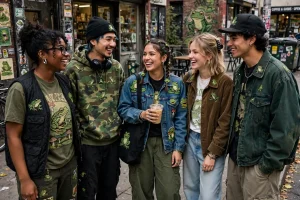
Open flannels, denim jackets, and overshirts work over oversized tees. Cropped jackets work especially well because they let the longer hem of the tee show below. Closed jackets bunch the extra fabric, which kills the silhouette.
Where the Trend Is Heading
The oversized streetwear tee has moved past trend status. It is now the default silhouette for graphic tees across the category. The next few years will likely see further refinement rather than reversal. Brands are pushing the proportions in new directions, exploring extended hems, even wider shoulders, and combinations of oversized with structured elements.
The fitted tee will not disappear entirely. It will continue to exist as an option for specific looks. But the dominant silhouette for streetwear in 2026 and into 2027 will keep being oversized, and the brands that have built their identity around the cut will continue leading the category.
The shift back to oversized reflects something broader than just a fashion preference. It signals a return to streetwear’s roots, a rejection of the over-tailored decade that preceded it, and a recognition that comfort, identity, and quality can coexist in a single garment. That alignment is why the trend has staying power most fashion moments do not.