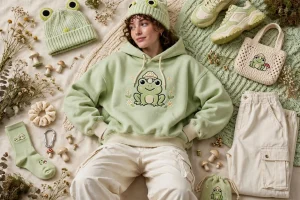
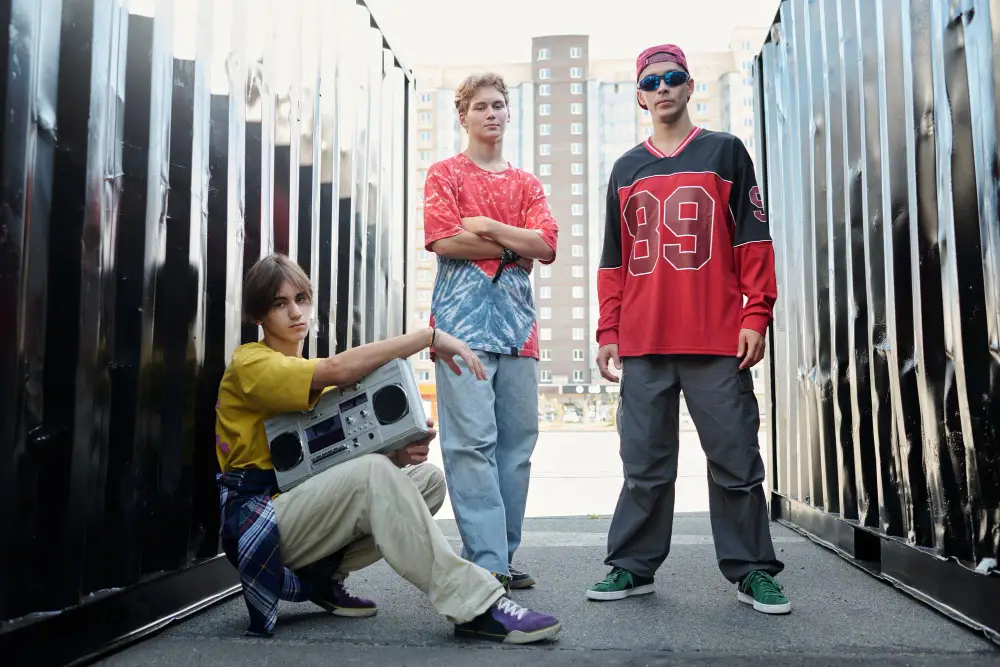
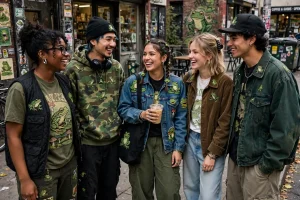
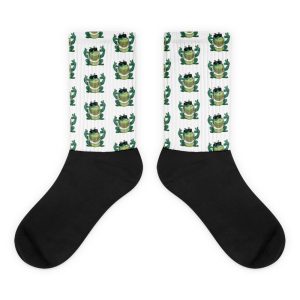
Walk into any streetwear store, scroll through Instagram, or look at what people are actually wearing in the wild right now and one motif keeps showing up. Frogs. Frog characters on tees. Frog mascots on hoodies. Frog graphics on caps, socks, mugs, and everything in between. What was a niche internet aesthetic five years ago has become one of the most consistent visual themes in current fashion. The frog aesthetic is trending. That part is not in question. The more interesting question is why.
From Internet Subculture to Streetwear Staple
Frog characters have been part of online culture for a long time. They started in early meme territory, lived through various waves of internet humor, and slowly built a recognizable visual language. Around 2020 and 2021, that visual language started showing up on apparel. Small streetwear brands picked up frog characters as graphics. Independent illustrators sold frog-themed prints and shirts on Etsy and Big Cartel. The look stayed underground for a while, mostly known to people who already lived online.
The mainstream crossover happened gradually. By 2023, mid-tier streetwear brands were running full frog drops. By 2024, the aesthetic had cleared the gatekeeping at major retailers. By 2026, frog graphic apparel sits next to skull motifs and band tees as a permanent option in the streetwear category rather than a passing trend.
Why Frog Characters Hit Different
The frog aesthetic resonates for reasons that go deeper than visual novelty. A few worth pulling apart:
The Mood Match
Streetwear has always rewarded clothing that says something specific. The frog character is one of the few visual motifs that consistently carries an emotional read. A bored frog says one thing. An unimpressed frog says another. A frog mid-existential-crisis says a third. That range gives the aesthetic versatility most graphic motifs cannot pull off. Skulls always mean rebellion. Hearts always mean affection. Frogs can mean almost anything depending on the expression and context, which makes them flexible enough to anchor a whole brand identity.
The Anti-Polished Look
Mainstream fashion has spent the last few years tilting toward heavily curated, hyper-aesthetic, almost-too-polished looks. The frog aesthetic pushes back. It is intentionally weird. Slightly absurd. A little ugly in a charming way. That refusal to be polished resonates with anyone burned out on Instagram-grade fashion, which is a growing share of the market in 2026.
The Inside-Joke Effect
A frog tee works as a visual handshake. People who get the reference recognize each other in public. People who do not get the reference walk past. That signaling function matters in a fashion scene where clothing has become more about cultural alignment than pure style. Wearing a frog graphic signals you spend time online, you appreciate absurdist humor, and you do not take fashion too seriously, all without saying any of those things out loud.
The Internet Culture Tailwind
The frog aesthetic is rising at the same time internet culture is becoming the dominant force in mainstream fashion. Streetwear used to take cues from music subcultures. Now it takes cues from group chats, niche subreddits, and the meme economy. Frog characters live at the center of that shift because they read as internet-native without being tied to a specific viral moment.
That timing matters. Trends tied to specific viral content burn out fast. The frog aesthetic is broader. It pulls from a deep well of internet humor that has been building for over a decade, which gives it more staying power than a typical fashion moment.
Who Is Actually Wearing It
The buyer profile for frog aesthetic apparel is wider than people assume. The early adopters were chronically online twenty-somethings who knew the meme history. By 2026, the audience has spread across age groups and subcultures. Gen Z streetwear fans wear it for the aesthetic. Millennials wear it for the irony. Older buyers wear it because it reads as fun and uncomplicated.
The unifying factor is not age or subculture. It is the willingness to wear clothing that does not take itself seriously. That mindset is becoming more common across demographics, which is why the frog category keeps growing instead of plateauing.
Why the Trend Is Sticking Around
Most fashion trends have a clear expiration date. The frog aesthetic shows signs of becoming a permanent fixture instead. A few reasons:
The visual language has proven flexible enough to keep generating new variations. New artists keep adding to the canon. The motif works across product categories. Tees, sweatshirts, accessories, home goods. That portability extends the trend’s lifespan.
The aesthetic does not depend on a specific viral moment to stay relevant. It builds on a long history of internet culture that keeps generating fresh material. Even as specific frog memes fade, new ones replace them, and the broader visual language stays intact.
The category has also moved past the cheap dropshipping phase. Independent labels are running real production, with real quality control, on real apparel. That rise in baseline quality keeps the aesthetic from collapsing into a fast-fashion fad.
Where Frog Apparel Goes Next
Heading into late 2026 and 2027, the category is moving toward more sophisticated execution. Better artwork. Better fabric. Bigger crossovers with other streetwear motifs. The aesthetic is also starting to show up in spaces beyond streetwear, including home goods, accessories, and casual workwear. That spread suggests the frog aesthetic is past the trend stage and into the permanent category stage.
What started as a niche internet visual has become a defining motif of 2026 streetwear, and the reasons it caught on are the same reasons it will keep mattering. Mood. Anti-polish. Inside jokes. Internet culture. The frog aesthetic is not a moment. It is a movement that finally got the production quality and audience reach to last.